
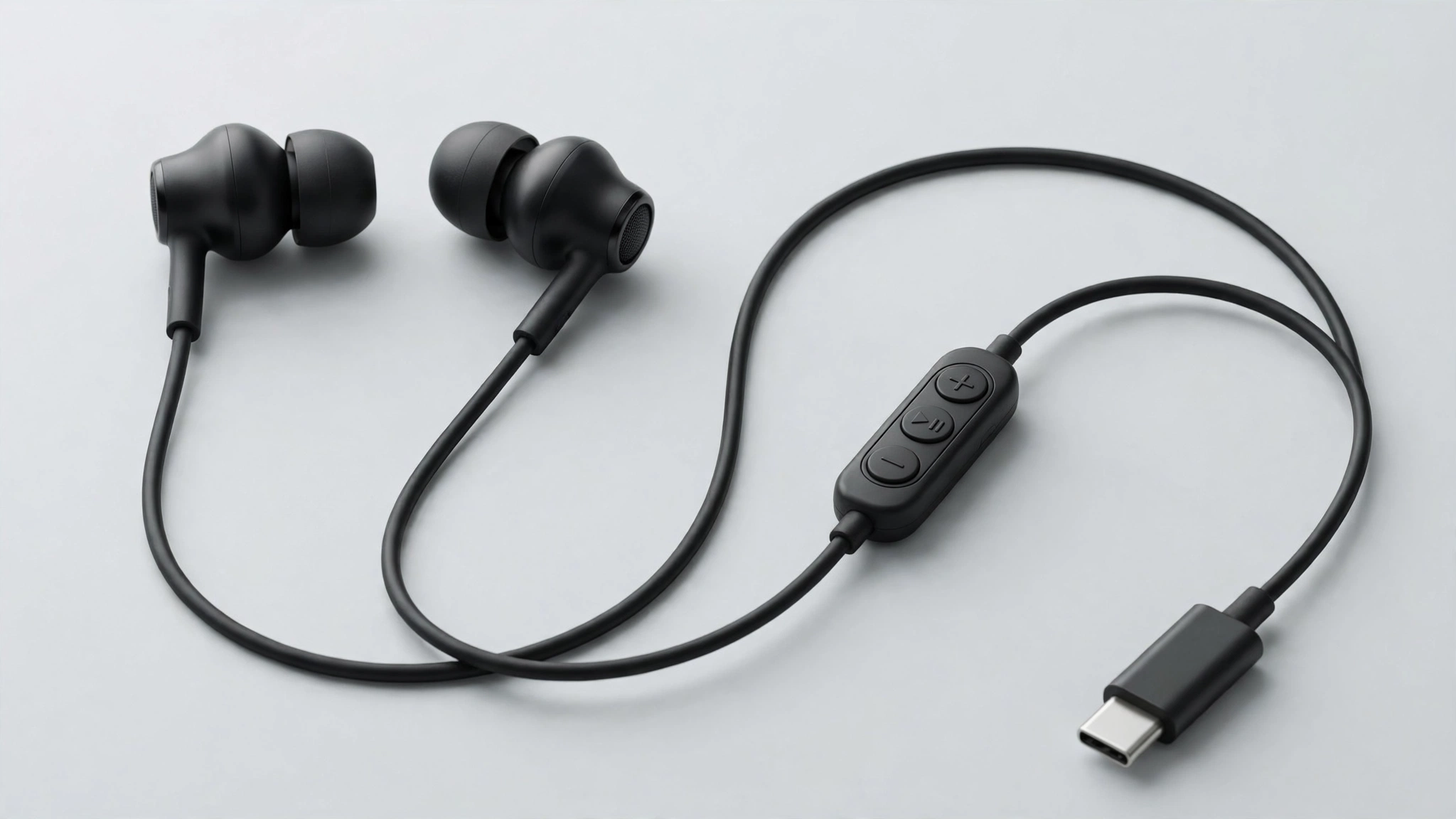
Bluetooth earbuds are convenient until one more problem gets in the way: a connection that will not pair, a battery that dies during a commute, or audio that falls out of sync while gaming or watching videos. The new Bose wired ANC earbuds take a different approach. Instead of adding more wireless features, Bose has returned to a wired design with active noise cancellation (ANC), USB-C digital audio, and no built-in battery.
The Bose Noise Cancelling Wired Earbuds were announced on September 28, 2026, with a $99 US price and shipping scheduled to start October 15. They are Bose’s first wired earbuds since 2015. Their biggest selling point is simple: they can provide noise cancellation without needing their own battery or a Bluetooth connection. Here is how they work, what they offer, and whether they make more sense than wireless earbuds.
1. Bose Wired Earbuds: Price and Release Date
Bose is bringing wired listening back with a product designed for people who want noise cancellation without the usual wireless routine. The Noise Cancelling Wired Earbuds combine a direct USB-C connection with Bose’s QuietControl technology and an inline remote.
The earbuds were announced on September 28, 2026. Shipping is scheduled to begin on October 15, 2026, making the product available just as interest in wired headphones continues to grow.
Here are the key launch details:
| Detail | Information |
|---|---|
| Product name | Bose Noise Cancelling Wired Earbuds |
| US price | $99 |
| UK price | £99.95 |
| Announcement date | September 28, 2026 |
| Shipping starts | October 15, 2026 |
| Connection | USB-C digital audio |
| Noise cancellation | Bose QuietControl ANC |
| Transparency mode | Aware Mode |
| Battery | No built-in battery |
| Colors | Black, White Smoke, Dewdrop Mint (limited edition) |
| Preorder options | My Bose exclusive and Best Buy |
The $99 price puts these earbuds in the range of many popular wireless models. However, Bose is offering a different set of benefits. You do not need to charge the earbuds, manage Bluetooth connections, or worry about their internal battery losing capacity over time.
The listed US and UK prices are $99 and £99.95, respectively. Official prices for other local markets have not been announced, so buyers elsewhere should not assume that the direct currency conversion will match the eventual retail price.
2. How Do Bose’s Wired ANC Earbuds Work?
The most interesting part of this product is not simply the cable. It is the combination of a direct digital connection and active noise cancellation without an internal battery.
USB-C digital audio instead of Bluetooth
The earbuds connect through USB-C and use USB Audio Class 2 for digital audio. This means the connected phone, tablet, or computer sends digital audio through the cable rather than transmitting it over Bluetooth.
There is no wireless pairing process. Plug the earbuds into a compatible USB-C port, and you can use them with a supported device.
Because the connection is digital, the earbuds also receive power from the connected device. That power runs the noise cancellation and sound processing, removing the need for a separate rechargeable battery inside the earbuds.
This design removes several familiar wireless-earbud frustrations. There is no earbud battery to charge, no Bluetooth pairing list to troubleshoot, and no wireless connection to interrupt playback.
However, the earbuds still depend on the connected device for power. They are not completely power-free. They simply use the phone or computer as their power source.
ANC without an earbud battery
Active noise cancellation works by using microphones to detect surrounding sound and processing that information to help reduce unwanted noise. This processing normally requires electrical power.
With the Bose wired model, that power comes through the USB-C cable. Bose’s QuietControl technology provides noise cancellation, while Aware Mode lets you hear more of your surroundings when needed.
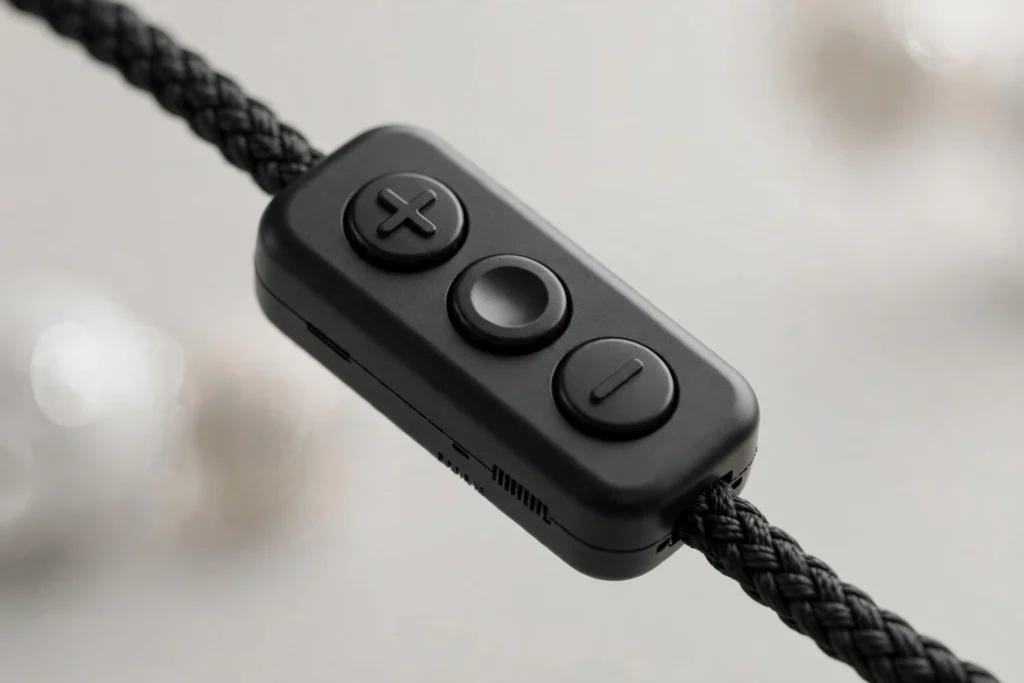
The inline remote offers three listening modes:
- Quiet: For stronger noise reduction when you want to focus.
- Aware: For hearing more of your surroundings without removing the earbuds.
- ANC Off: For listening without active noise cancellation.
The earbuds use four microphones on the buds and an additional microphone on the wired remote. The remote microphone is positioned to help reduce clothing-rustle noise during calls.
There is one important distinction: battery-free ANC does not mean that the technology will never have a hardware problem. It means the ANC system does not depend on a rechargeable battery inside the earbuds. Battery aging inside the earbuds is therefore not a concern.
3. Why Are Wired Earbuds Coming Back?
For years, the headphone market has moved toward wireless listening. Phone manufacturers removed headphone jacks, and Bluetooth earbuds became a common accessory for commuting, working, exercising, and travelling.
But wired headphones have not disappeared.
According to the market figures supplied for this launch, wired headphone sales increased by around 10% in the second half of 2025 and rose by approximately 20% at the start of 2026. The renewed interest has been driven partly by younger listeners and celebrities bringing wired accessories back into everyday fashion.
Bose president Raza Haider has described the trend as a “cultural renaissance” of wired listening.
There are practical reasons behind the renewed interest, too. Wired headphones are easy to use, do not need a separate charging routine, and can provide a direct connection for audio. Users also do not have to deal with Bluetooth pairing or the possibility of wireless interference.
Bose’s return is notable because this is not just a basic wired headset. The company is combining a familiar cable with features usually associated with modern wireless earbuds, including active noise cancellation and transparency mode.
That makes the product an interesting counter-trend. Instead of removing the cable and adding more wireless features, Bose is using a cable to simplify the experience.
4. What Bluetooth Users Can Learn From a Wired Design
Bluetooth remains useful for people who want freedom of movement. But wireless convenience comes with trade-offs, and the Bose earbuds highlight three problems that a direct connection can avoid.
No pairing problems
Wireless earbuds must establish a Bluetooth connection with a phone or computer. Problems can occur when the earbuds connect to the wrong device, remain linked to an old device, or fail to enter pairing mode correctly.
The Bose wired earbuds avoid this process entirely. There is no Bluetooth pairing mode, no device list to manage, and no need to reset the earbuds to fix a pairing issue.
For people who regularly switch between supported devices, a direct USB-C connection can be simpler. You still need a compatible port, but you do not have to establish a wireless connection first.
No earbud charging routine
Wireless earbuds have rechargeable batteries in the buds and usually another battery in the charging case. Both need to be charged, and their battery capacity can decline over time.
The Bose wired earbuds do not have a built-in battery. As long as the connected device supplies power through USB-C, the earbuds can operate without a separate charging cycle.
That is particularly useful during long work sessions or travel when you might otherwise need to recharge your earbuds.
The trade-off is that the phone or computer supplies the power. The earbuds remove one battery to manage, but they do not remove power consumption from the overall setup.
Lower potential audio latency
Bluetooth audio can introduce delay because sound must be encoded, transmitted wirelessly, and processed by the receiving device. The exact delay varies by device, codec, software, and listening mode.
A direct USB-C digital audio connection avoids the Bluetooth transmission stage. This makes wired earbuds attractive for gaming, video editing, watching films, and other tasks where audio timing matters.
Bose also positions the product for creators who need audio and video to stay in sync.
However, wired does not mean that every application will have zero latency. Audio processing, game engines, operating systems, and recording software can still introduce delays. The more accurate benefit is very low connection-related latency compared with many Bluetooth setups.
5. The Important Drawbacks: USB-C, Battery Drain, and Cable Wear
The Bose wired earbuds solve some wireless problems, but they introduce limitations that buyers should understand before ordering.
You need a USB-C port
These earbuds use USB-C digital audio. They are not traditional 3.5mm analog headphones.
That difference matters because a simple USB-C-to-3.5mm adapter will not make them work with an analog headphone jack. The earbuds need a compatible USB-C port that supplies digital audio and power.
Check your device before buying. Supported options include compatible Android phones, newer USB-C iPhones, and laptops with suitable USB-C audio support.
Not every USB-C port guarantees compatibility with every accessory, so device support is worth confirming if you plan to use the earbuds with a less common laptop or phone.
The cable uses your phone’s battery
Because the earbuds draw power from the connected device, using ANC and sound processing consumes power from that device’s battery.
The amount of drain will depend on the phone or computer, the listening conditions, and how the earbuds are used. There is no separate earbud battery to recharge, but long listening sessions may affect your phone’s battery life.
This trade-off could matter most during long journeys, gaming sessions, or days when you already need your phone to last as long as possible.
Cables can tangle and wear out
Wireless earbuds can be misplaced, but wired earbuds have their own practical problems. The cable can tangle in a bag, catch on clothing, or pull on the earbuds when you move.
Repeated bending and rough handling can also damage a cable over time. The Bose model includes a 4.2-foot (1.28-meter) cable with an inline remote, giving you physical controls without reaching for your phone. Still, cable care matters.
The included zippered carrying case can help keep the earbuds organized when they are not in use.
They are not designed for every situation
The earbuds have an IPX4 rating for sweat and splashes. This provides some protection for workouts and light exposure to water, but it does not make them waterproof or suitable for swimming.
The wired design may also be less convenient for running, gym exercises, or activities where the cable could snag. People who want complete freedom of movement may still prefer wireless earbuds.
6. Bose Wired ANC Earbuds vs. Wireless Earbuds
The right choice depends on how you listen. A wired connection is not automatically better in every situation, just as wireless earbuds are not automatically more convenient for everyone.
| Feature | Bose Wired ANC Earbuds | Typical Bluetooth Earbuds |
|---|---|---|
| Connection | USB-C cable | Bluetooth |
| Pairing | Not required | Required |
| Earbud battery | None | Built-in rechargeable battery |
| Separate charging | Not required | Required |
| Active noise cancellation | Yes | Depends on model |
| Audio latency | Very low connection-related latency | Varies by device and codec |
| Phone battery use | Powers the earbuds | Usually powers the phone’s Bluetooth radio and audio system |
| Movement | Limited by cable length | Greater freedom |
| Cable tangles | Possible | Not applicable during normal wireless use |
| Device compatibility | Requires suitable USB-C audio and power | Requires compatible Bluetooth support |
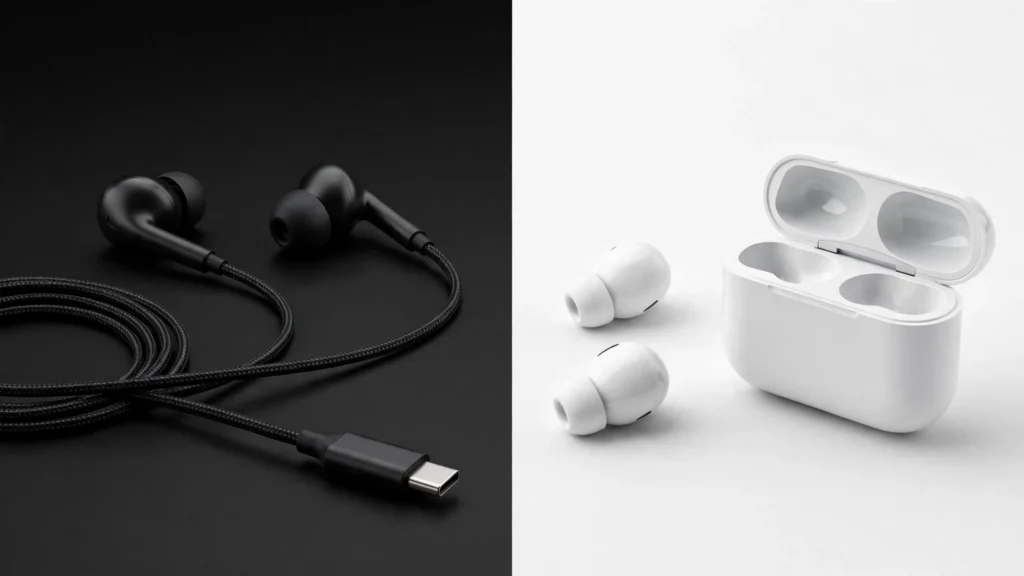
The comparison with typical Bluetooth earbuds is general. Features, battery life, sound quality, ANC performance, and latency vary widely across wireless models.
The Bose design is particularly interesting for listeners who value a predictable connection and do not want to charge another device. Wireless earbuds remain the stronger choice for people who prioritize freedom of movement, easy pocket storage, and listening without a cable.
7. Full Bose Wired Earbuds Specifications
Here is a summary of the confirmed product details.
| Specification | Details |
|---|---|
| Product | Bose Noise Cancelling Wired Earbuds |
| Price | $99 in the US; £99.95 in the UK |
| Connection | USB-C digital audio, USB Audio Class 2 |
| Bluetooth | No |
| Built-in battery | No |
| Audio format | Fixed 24-bit/48kHz playback |
| Noise cancellation | Bose QuietControl |
| Transparency | Aware Mode |
| Listening modes | Quiet, Aware, ANC Off |
| Microphones | Four on the earbuds, one on the inline remote |
| Cable length | 4.2 ft (1.28 m) |
| Controls | Physical inline buttons for volume, playback, calls, and ANC modes |
| Ear tips | Three silicone sizes |
| Stability wings | Medium and large |
| Water resistance | IPX4 |
| Carrying case | Zippered case |
| Colors | Black, White Smoke, Dewdrop Mint (limited edition) |
| Shipping begins | October 15, 2026 |
8. Who Should Buy the Bose Wired ANC Earbuds?
The Bose wired earbuds make the most sense for people who want noise cancellation and dependable audio without managing another battery.
Consider buying them if:
- You regularly experience Bluetooth pairing or connection problems.
- You listen for long periods and dislike charging wireless earbuds.
- You play games or watch videos where audio delay matters.
- You work on a laptop and want a direct USB-C audio connection.
- You want ANC but do not want another rechargeable battery to age over time.
- You prefer physical buttons for volume, playback, calls, and listening modes.
Stick with wireless earbuds if:
- You exercise, run, or move around frequently while listening.
- You dislike cables or need to keep your hands and clothing free of wires.
- Your phone has no compatible USB-C audio port.
- You want earbuds that can connect wirelessly to multiple devices.
- You need to preserve your phone’s battery during long listening sessions.
Before buying, check the USB-C requirement carefully. A standard analog adapter will not solve compatibility problems with a 3.5mm headphone jack.
9. Frequently Asked Questions
When do the Bose wired earbuds ship?
The Bose Noise Cancelling Wired Earbuds were announced on September 28, 2026. Shipping is scheduled to start on October 15, 2026. The product was announced with preorders through My Bose exclusive and Best Buy.
Do the Bose wired earbuds need charging?
No. The earbuds have no built-in battery and do not need to be charged separately. They draw power from the connected device through USB-C to operate their sound processing and active noise cancellation.
Do the Bose wired earbuds work with iPhone?
They are designed for compatible USB-C devices, including newer USB-C iPhones. Compatibility depends on the phone supporting the required USB-C digital audio connection and power delivery. Older iPhones without USB-C are not a direct match for this connection.
Are wired earbuds better for gaming latency?
They can be. A direct USB-C connection avoids the Bluetooth audio transmission stage, which can reduce connection-related delay. However, the actual latency also depends on the device, game, operating system, and audio processing. Wired earbuds do not guarantee zero latency.
How much are the Bose wired earbuds?
The announced price is $99 in the US and £99.95 in the UK. Official local prices for other markets have not been announced. Buyers should check local availability and pricing rather than relying on currency conversion alone.
Can I use them with a 3.5mm headphone jack?
No, not with a simple analog USB-C-to-3.5mm adapter. These earbuds require a compatible USB-C port that provides digital audio and power. A traditional analog headphone jack does not provide the connection they need.
Final Verdict: A Useful Return to Wired Listening
The Bose Noise Cancelling Wired Earbuds offer a different answer to familiar audio problems. Instead of relying on Bluetooth and rechargeable earbud batteries, they use USB-C digital audio to deliver ANC, physical controls, and a direct connection.
Their appeal is clear: no Bluetooth pairing, no separate earbud charging, and very low connection-related latency. Those advantages could make them useful for work, gaming, travel, and everyday listening, especially for people who are tired of maintaining another rechargeable accessory.
But the cable is not free of trade-offs. It can tangle, restrict movement, and draw power from the connected device. USB-C compatibility is essential, and a simple analog adapter will not work.
At $99, Bose is not trying to make wired earbuds the perfect choice for everyone. It is making the case that some wireless frustrations can be avoided by going back to a direct connection. If you value reliable audio and battery-free earbuds more than cable-free movement, this is a launch worth watching.
